Lapis Lazuli, with its deep and rich blue hue, offers a mesmerizing beauty that has captivated humanity for millennia. Often associated with wisdom and power, this stone has been used in royal jewelry and sacred ceremonies throughout history. In ancient Egypt, Lapis Lazuli was found in the tombs of pharaohs, believed to promote spiritual enlightenment. Today, it continues to be used both decoratively and for healing, serving as a bridge to the ancient wisdom of the past.
How is Lapis Lazuli Formed?
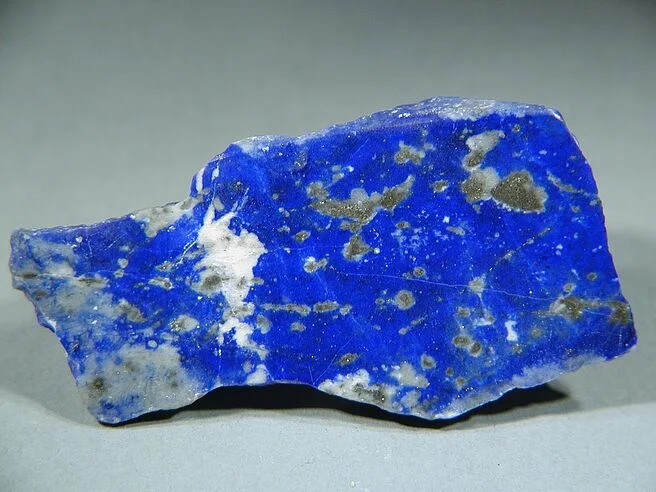
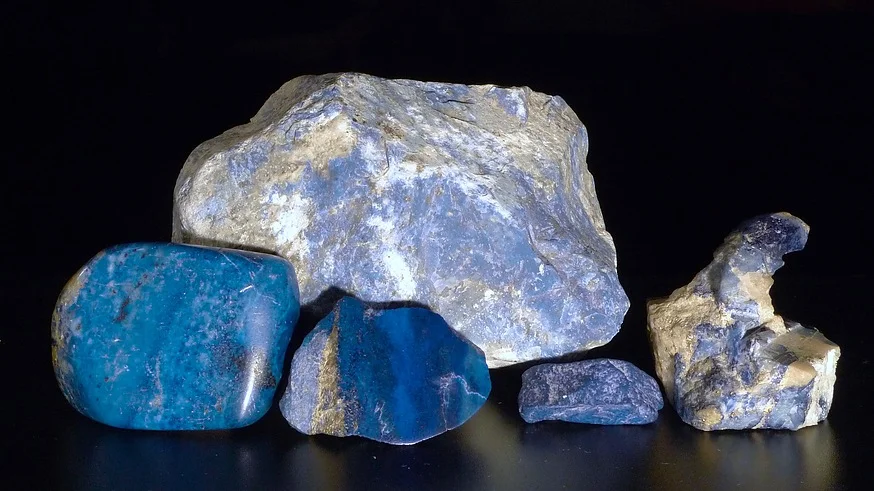
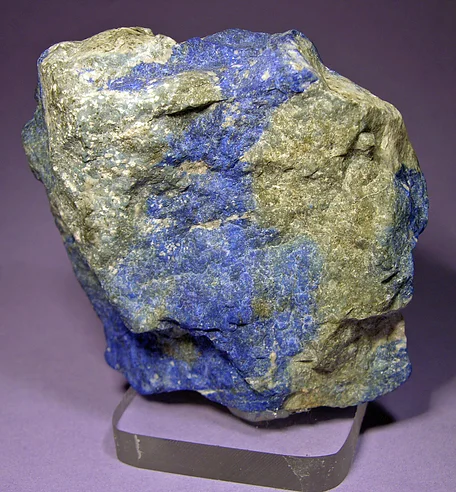
Lapis Lazuli is a metamorphic rock formed from a combination of rare minerals, including lazurite, calcite, and pyrite. The blend of these minerals gives the stone its characteristic blue color and speckled appearance with gold undertones. Lapis Lazuli forms through the crystallization of limestone under intense heat and pressure. The finest Lapis Lazuli is sourced from the Badakhshan region of Afghanistan, though deposits can also be found in Chile and Russia.
What Benefits Does Lapis Lazuli Provide?
Throughout history, Lapis Lazuli has been attributed with numerous benefits. It is believed to enhance mental clarity and promote inner peace. When used during meditation, it can facilitate access to higher states of consciousness. Additionally, it strengthens communication skills and supports self-expression. In ancient medicine, it was used to alleviate headaches and boost the immune system. Today, it remains a cherished stone for those seeking spiritual healing.
How to Identify Genuine Lapis Lazuli?
Identifying genuine Lapis Lazuli involves looking for certain distinguishing features. Authentic Lapis Lazuli will have visible gold-colored pyrite flecks on the surface. The stone should exhibit a deep, uniform blue color, neither too shiny nor too dull. Some imitations are dyed, so closely examining the surface and lightly scratching it can reveal if paint is present. Using a hot needle to test a small area for any melting can also help distinguish genuine stones from fakes.
Which Chakra is Lapis Lazuli Associated With?
Lapis Lazuli is primarily associated with the throat chakra, which governs communication and self-expression. It is believed to enhance one's ability to express personal truths, promoting sincerity and honesty. Additionally, it is thought to affect the third eye chakra, associated with intuition and spiritual awareness. By opening this chakra, Lapis Lazuli can facilitate deeper insight and spiritual enlightenment.