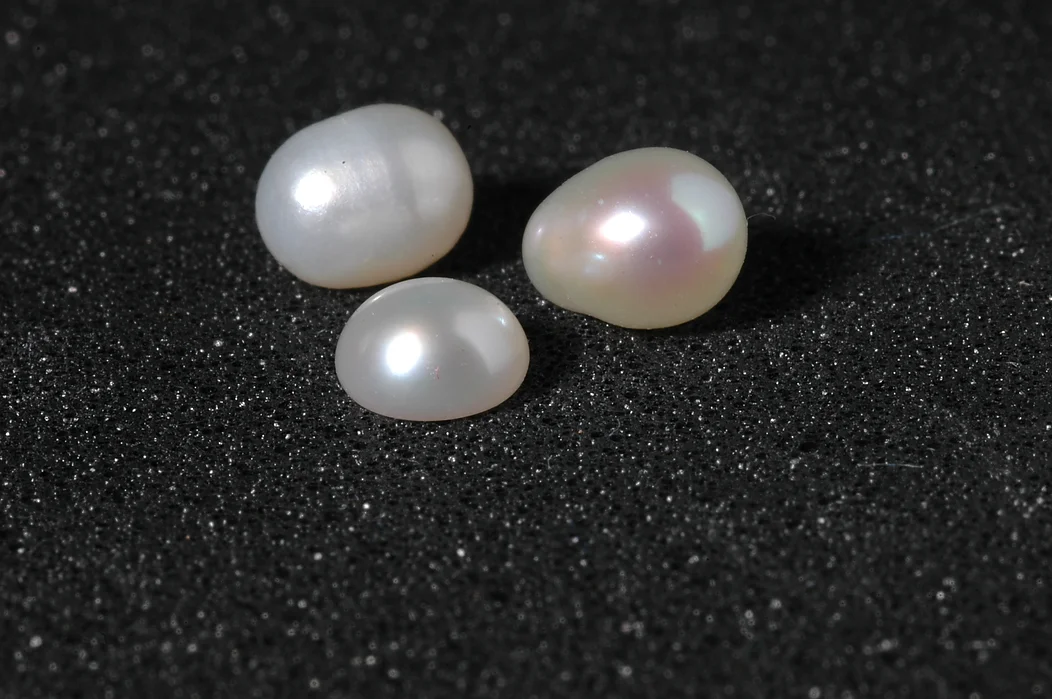
Pearls have fascinated humanity for centuries with their delicate beauty and unique formation process. Emerging from the depths of the sea, these organic gems have been associated with purity, wisdom, and wealth. The allure of pearls transcends cultures and epochs, making them a timeless symbol of elegance and refinement. Whether set in luxurious jewelry or used as a talisman for emotional balance, pearls hold a special place in both fashion and healing practices. Their natural iridescence reflects a subtle, moody charm that has captivated artists and historians alike.
What is the History and Origin of Pearls?
Pearls have been treasured since ancient times, with evidence of their use dating back to early civilizations in China, India, Rome, and Egypt. The word 'pearl' itself is derived from the Latin word 'perna,' which evolved into 'perla.' Historically, pearl diving was a significant economic activity, as natural pearls are rare and difficult to harvest. The formation of a pearl begins when an irritant, such as a grain of sand or a parasite, enters an oyster. The oyster then secretes layers of nacre around the irritant, eventually forming a pearl over time.
What Spiritual and Healing Benefits Do Pearls Offer?
Pearls are revered not only for their physical allure but also for their spiritual and healing properties. They are believed to promote emotional balance, foster inner peace, and cleanse negative energies. Known as symbols of love and compassion, pearls are thought to strengthen relationships and enhance loving energies. Meditating with pearls can assist individuals in deepening their connection with themselves and fostering a sense of serenity and tranquility. Their soothing vibrations are ideal for calming turbulent emotions and instilling a sense of harmony.
How are Pearls Formed and Are They Naturally Produced?
Pearls form when an irritant enters the shell of a mollusk, prompting the creature to secrete layers of nacre around it. Natural pearls form without human intervention, but most pearls on the market today are cultured. Cultured pearls are created in a controlled environment where a small irritant is intentionally introduced into the mollusk. This process mimics the natural formation of pearls but allows for more predictable and quicker production. While cultured pearls may not hold the same rarity as natural pearls, they are still highly valued for their beauty and versatility in jewelry making.
How Should You Care for and Maintain Pearls?
Pearls require special care due to their delicate nature and organic composition. When cleaning pearls, it is best to use a mild soap and water solution, avoiding harsh chemicals. After cleaning, gently dry them with a soft cloth. Pearls should not be exposed to prolonged sunlight or high temperatures, as these conditions can cause them to lose their luster. Storing pearls in a cool, dry place and keeping them separate from other jewelry will help protect them from scratches and damage. Proper care ensures that your pearls remain as radiant and beautiful as the day you acquired them.