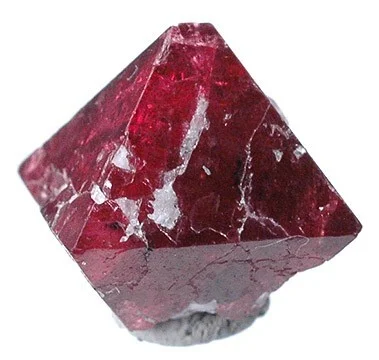


Spinel stone, a gemstone that has been cherished throughout history for its vibrant colors and unique charm, often flies under the radar when compared to more famous gemstones like rubies and sapphires. Despite its lesser-known status, spinel boasts a stunning array of colors including red, blue, and pink, making it a favorite among collectors and gem enthusiasts. This captivating stone is often mistaken for other gems, but those who are familiar with its qualities know that spinel holds its own distinct place in the world of gemstones. Whether set in a piece of exquisite jewelry or admired as a raw specimen, spinel offers a mesmerizing experience for those who encounter it. But what makes spinel so special? Read on to discover more about this extraordinary stone.
What is the Historical Significance of Spinel Stone?
Throughout history, spinel has often been confused with rubies and sapphires. This misidentification has led to some of the most famous spinels being part of significant historical artifacts, such as the Black Prince's Ruby, which is actually a notable spinel housed in the British Crown Jewels. Spinel was particularly favored in the Middle Ages and was a sought-after gem in the royal courts of Asia and Europe alike. The stone's vibrant colors and relative rarity made it a symbol of power and prestige. As more advanced gemological techniques were developed, the true identity of many historic 'rubies' was revealed to be spinel, further cementing its importance in gemstone history.